July 23, 2026
Understanding the services provided by an HVAC contractor can help homeowners make informed decisions about heating and cooling systems. HVAC professionals may assist with choosing and installing new equipment, diagnosing problems, performing repairs, and maintaining systems over time. Each service supports a different aspect of system performance, but they are all connected to the comfort, efficiency, and reliability of a home.
Whether you are replacing an aging furnace, dealing with an air conditioner that no longer cools properly, or trying to prevent avoidable breakdowns, knowing what to expect from HVAC services can make the process easier. Regular attention can also help identify problems before they become more disruptive. According to Workyard, about one-third of homeowners are concerned about the condition of their HVAC systems, yet only 30% schedule preventative maintenance. Understanding what an HVAC contractor can do may encourage more homeowners to take a proactive approach.
What Services Does An HVAC Contractor Provide?
An HVAC contractor may provide a broad range of services related to heating, ventilation, and air conditioning systems. The specific work can vary based on the contractor's qualifications and the types of equipment they service, but common services include installation, repairs, maintenance, inspections, and system replacement.
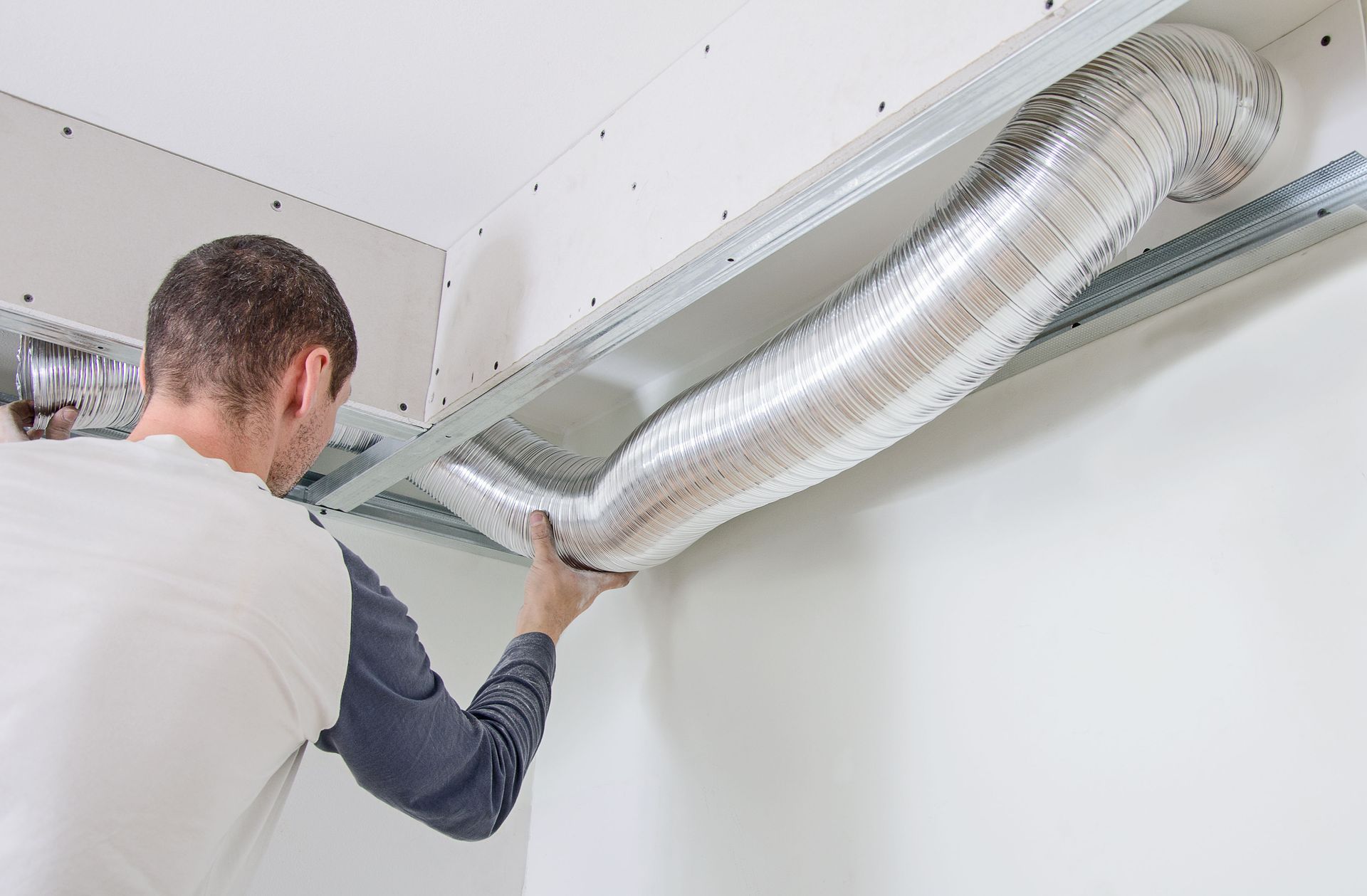
Installation services may involve furnaces, central air conditioners, heat pumps, ductless mini-split systems, thermostats, indoor air quality equipment, and other components. A contractor may evaluate the home's layout, existing ductwork, electrical requirements, and heating and cooling needs before recommending equipment.
Repair services address problems that affect system performance. These issues may include refrigerant leaks, electrical problems, faulty thermostats, clogged filters, damaged blower motors, ignition issues, and problems with compressors or other major components. A proper diagnosis is important because similar symptoms can result from very different underlying causes.
Maintenance is another major part of HVAC services. Routine maintenance may include inspecting components, cleaning parts of the system, checking connections, replacing filters, testing performance, and identifying developing problems. Some contractors also provide emergency services for serious heating or cooling failures.
How Do HVAC Contractors Handle Installations?
HVAC installation generally begins with an evaluation of the property and the home's heating and cooling requirements. Choosing equipment based only on the size of an existing system may not produce the best results. Factors such as square footage, insulation, windows, ductwork, climate, and the home's layout can all affect equipment requirements.
An HVAC contractor may recommend a system based on these conditions and the homeowner's goals. The installation process can include removing old equipment, preparing the area for the new system, connecting ductwork or refrigerant lines, completing electrical connections, and configuring controls.
Proper sizing is particularly important. An oversized system may cycle on and off too frequently, while an undersized system may run for extended periods without adequately heating or cooling the home. Both situations can affect comfort and system performance.
After installation, the contractor should test the system and verify that it operates as intended. This may involve checking airflow, temperature performance, electrical connections, refrigerant levels where applicable, safety controls, and thermostat operation. The homeowner should also receive information about basic operation and recommended maintenance.
What Is Involved In Regular HVAC Maintenance Services?
Regular maintenance is intended to keep HVAC equipment operating properly and identify potential problems before they result in a major breakdown. The exact maintenance tasks depend on the type of system, but service commonly involves a detailed inspection and performance check.
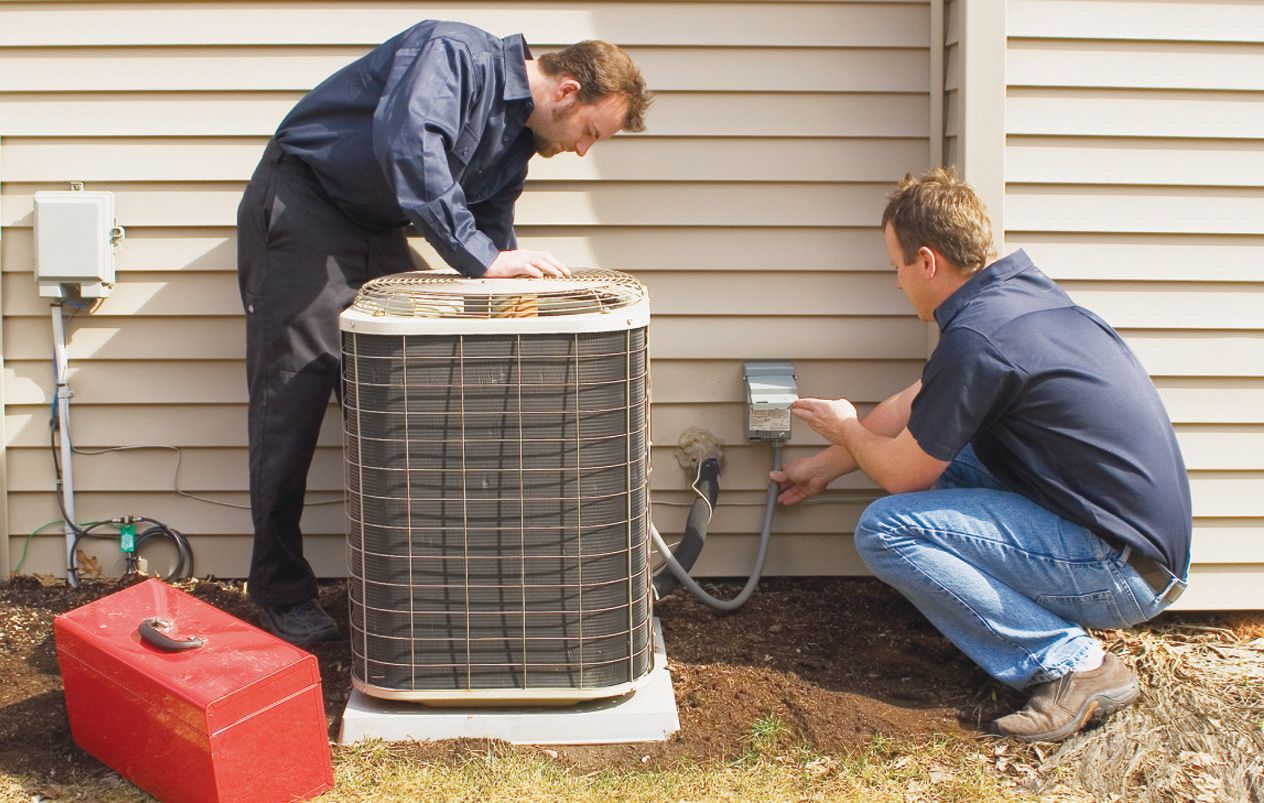
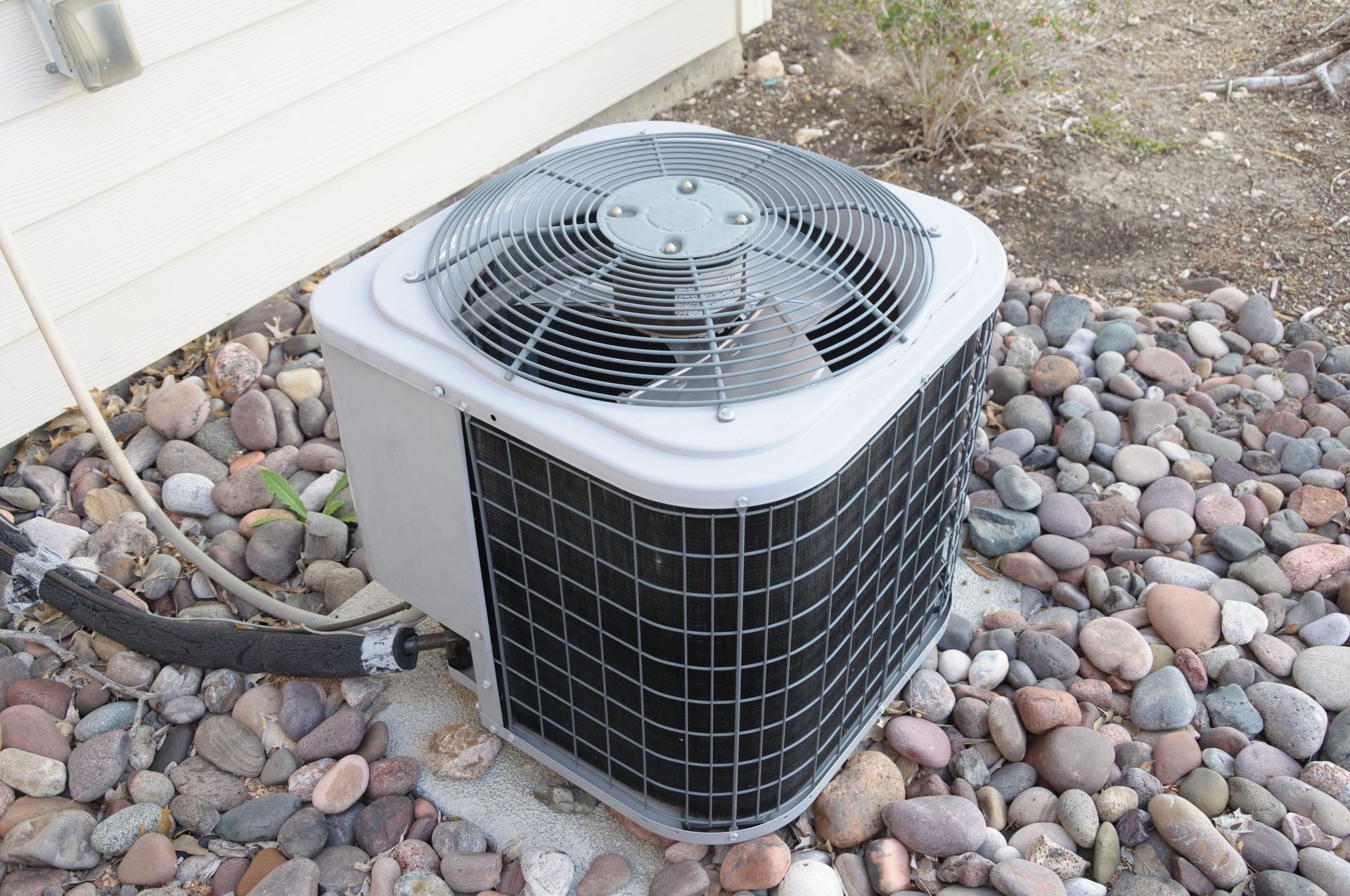
For a heating system, maintenance may include examining the burner, heat exchanger, ignition components, blower assembly, electrical connections, and safety controls. For an air conditioning system, a technician may inspect coils, refrigerant components, condensate drainage, electrical parts, and airflow.
Replacing or cleaning air filters is also an important part of routine system care. A dirty filter can restrict airflow and force the system to work harder. The appropriate replacement schedule depends on factors such as the type of filter, system design, household conditions, and manufacturer recommendations.
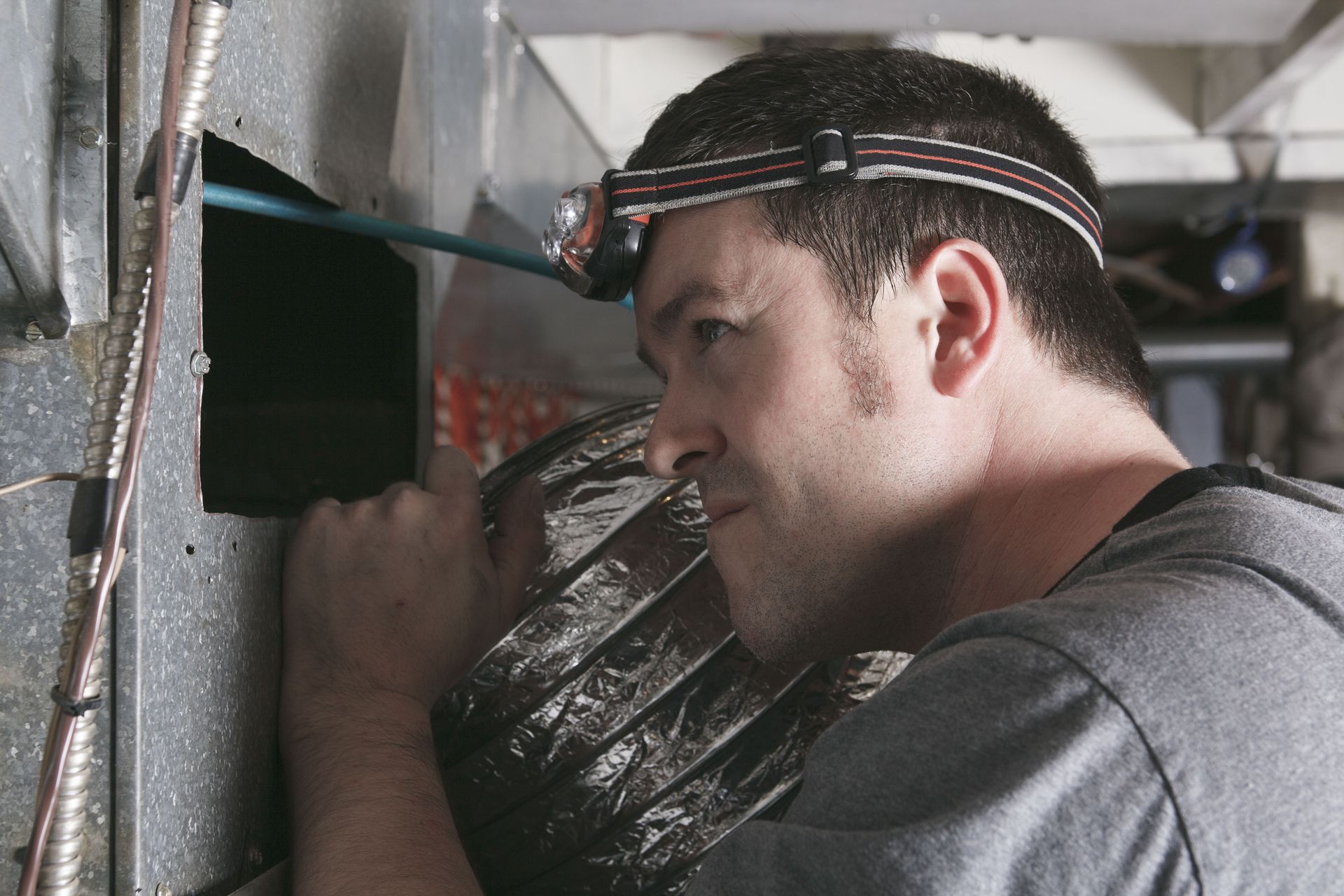
An HVAC contractor may also look for unusual noises, signs of wear, corrosion, leaks, or other conditions that could indicate a developing problem. Maintenance may not prevent every possible failure, but it can provide an opportunity to address smaller issues before they contribute to more extensive damage or an unexpected loss of heating or cooling.
How Can You Identify When HVAC Repair Is Necessary?
Some HVAC problems are obvious, while others develop gradually. A system that stops working completely clearly requires attention, but less dramatic changes can also indicate that repair may be necessary.
Unusual sounds are one potential warning sign. Grinding, rattling, squealing, banging, or repeated clicking may indicate a mechanical or electrical problem. Strange odors may also require attention, particularly if they persist or are accompanied by other changes in system operation.
Uneven temperatures throughout the home can be another sign of trouble. If some rooms are significantly warmer or cooler than others, the cause could involve airflow, ductwork, thermostat operation, or the HVAC equipment itself.
Rising energy bills may also prompt an inspection when usage patterns and utility rates have not changed significantly. A system that is losing efficiency may need to run longer to achieve the same temperature.
Other potential warning signs include short cycling, weak airflow, frequent system shutdowns, water around indoor equipment, or an air conditioner that does not produce sufficiently cool air. When these problems appear, an HVAC contractor can inspect the system and determine whether repair, maintenance, or replacement is the most appropriate response.
What Qualifications And Certifications Should You Look For?
Qualifications can vary depending on the type of work being performed and local requirements. Homeowners should consider whether a contractor has the appropriate licenses, certifications, insurance, and experience for the work involved.
Licensing requirements may apply to certain HVAC services depending on the state or local jurisdiction. Contractors who handle refrigerants may also need specific federal certification. These requirements help establish whether the individual has met applicable standards for certain types of HVAC work.
Experience with the specific equipment in a home can also be useful. A contractor who regularly services a particular type of furnace, heat pump, or ductless system may be familiar with its common issues and service requirements.
Homeowners should also ask about warranties, written estimates, and the scope of the proposed work. A clear estimate should identify the services or equipment involved and provide information about the expected costs. For larger installations, it may be helpful to understand what is covered by manufacturer warranties and what labor coverage the contractor provides.
Checking references and reviews may provide additional information about a contractor's communication, punctuality, workmanship, and approach to resolving problems. While no single review can tell the entire story, looking at multiple sources may help homeowners compare their options.
Choosing The Right HVAC Contractor For Your Needs
Selecting an HVAC contractor involves more than choosing the first available service provider. Homeowners should consider the type of service required and look for a professional with relevant qualifications and experience.
For a new installation, the contractor should be able to explain equipment options, sizing considerations, installation requirements, warranties, and expected operating costs. For repairs, homeowners should seek a provider who will diagnose the actual problem rather than immediately recommending unnecessary replacement. For maintenance, it may be useful to ask what the service includes and how often the system should be inspected.
Communication is also important. A contractor should be willing to explain the work in terms the homeowner can understand and answer questions about the proposed service. Written information about pricing, warranties, and the work to be completed can help prevent misunderstandings.
Maintaining Reliable Heating And Cooling
Installation, maintenance, and repair all play important roles in the life of an HVAC system. A properly installed system may provide reliable performance, while routine maintenance can help identify wear and developing problems. When issues do occur, timely repairs may help restore performance and prevent a relatively minor problem from becoming more serious.
Homeowners can make better decisions by understanding what services are available and what qualifications to look for in an
HVAC contractor. Asking questions about experience, certifications, warranties, pricing, and the proposed work can help clarify whether a provider is suited to the job. With informed decisions and regular attention, homeowners can take practical steps toward maintaining a comfortable and dependable home environment. If you need HVAC work, call A-1 Heating & Improvement Co today!